
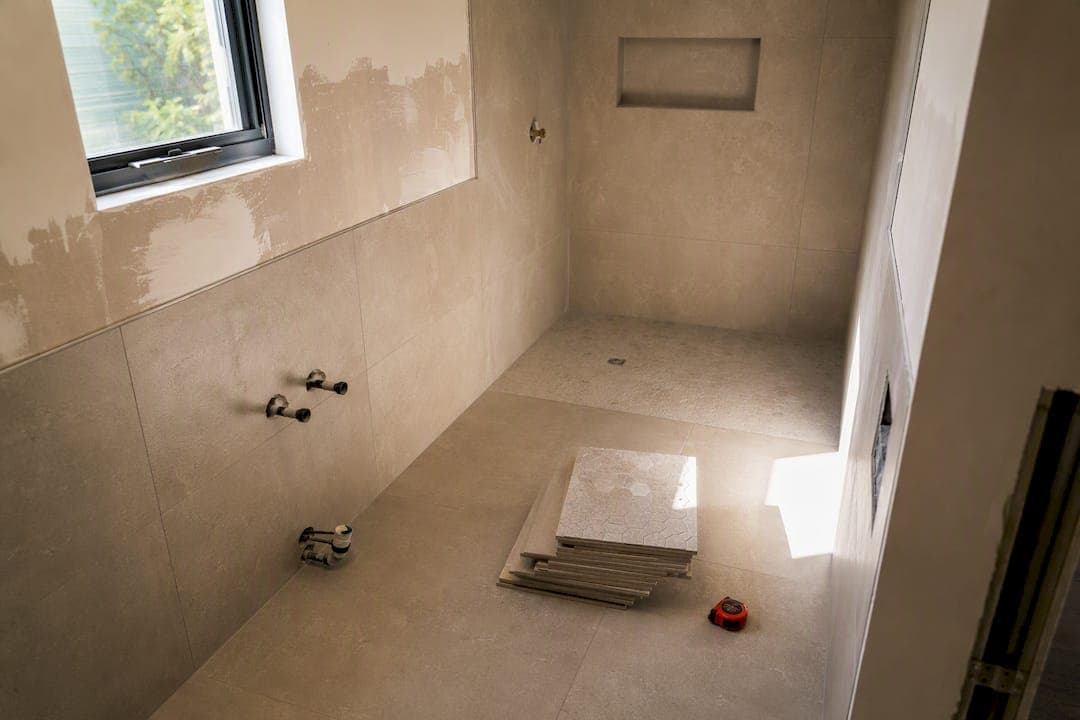
A standard bathroom renovation in Melbourne costs between A$21,000 and A$36,750 for most mid-range projects, with a typical average landing near the mid $20,000s. Budget jobs start around A$14,000, while premium renovations with layout changes and custom joinery can run into the high $50,000s or more. Most homeowners land in the mid-range band, and a local builder like Ariya Construction can walk you through where your project actually fits before you commit to anything.
TL;DR:
- Most mid-range Melbourne bathroom renovations cost between A$21,000 and A$36,750, with premium projects exceeding A$36,750 and reaching over A$50,000.
- A detailed line-item quote should include demolition, waterproofing, plumbing, tiling, fixtures, joinery, electrical, and finishes, emphasizing waterproofing and plumbing details.
- The entire project typically takes 8 to 14 weeks, with design and approvals taking 4 to 6 weeks and construction lasting 3 to 8 weeks, depending on scope.
- Unexpected costs often stem from access issues, concealed defects, and compliance upgrades, necessitating a contingency fund of 10 to 15 percent.
- Use licensed, transparent contractors with proper registrations, avoid vague estimates, and ensure waterproofing certification before proceeding.
Table of Contents
- How Much Does a Bathroom Renovation Cost in Melbourne?
- What Does a Line-Item Bathroom Budget Look Like?
- How Long Does a Bathroom Renovation Take in Melbourne?
- How Do You Compare Quotes and Avoid a Bad One?
- How a Managed Renovation Prevents Costly Rework
- What Hidden Costs Should You Budget For?
- How Long Does the Whole Process Take, Start to Finish?
- How Can You Cut Costs Without Cutting Corners?
- Do You Need a Permit for a Bathroom Renovation in Melbourne?
- How Do You Pay for a Bathroom Renovation in Melbourne?
- What Actually Matters More Than the Total Price Tag
- Ready to Get a Real Quote for Your Melbourne Bathroom?
- Sources
How Much Does a Bathroom Renovation Cost in Melbourne?
Melbourne bathroom prices split into three fairly distinct bands, and knowing which one your project belongs to changes everything about how you plan the budget.
Budget renovations generally sit between A$14,000 and A$21,000. This covers cosmetic updates: new tiles over an existing layout, a fresh vanity and toilet, updated tapware, and minor plumbing adjustments without moving pipes. You're not touching the floor plan and you're keeping waterproofing work to a minimum where the existing membrane still passes inspection.
Mid-range renovations, the most common category for Melbourne homeowners, run A$21,000 to A$36,750. This is a full strip-out: new waterproofing membrane, quality fixtures, floor and wall tiling throughout, and often a walk-in shower replacing an old bath/shower combo. The metro Melbourne mid-estimate clusters around A$23,000, which tracks closely with what most local trades quote for a standard 4 to 6 square meter family bathroom.
Premium renovations exceed A$36,750 and can reach A$57,750 or more. This band includes layout changes (moving the toilet or shower, knocking through a wall), custom cabinetry, freestanding baths, underfloor heating, and higher-end tile and stone finishes.
A few things push Melbourne prices above what you'll see in national guides:
- Metro Melbourne labor rates and older housing stock (weatherboard, double brick) add complexity that outer suburban or regional builds don't face.
- Apartment renovations in the CBD, Southbank, and Docklands typically cost more because of Owners Corporation approval requirements and restricted trade access.
- Small ensuites, despite their size, often cost within the mid $10,000 to low $20,000 range because fixed costs like waterproofing certification and trade mobilization don't scale down with square footage.
If your quote varies significantly from local typical cost bands, it's prudent to review the details carefully before committing.
What Does a Line-Item Bathroom Budget Look Like?
Every reliable quote breaks the job into line items rather than one lump figure. Here's a template you can drop into a spreadsheet and use to sanity-check any quote you receive:
- Demolition and waste removal: A$2,300 to A$4,000
- Waterproofing and subfloor preparation: roughly 10 to 15% of total budget
- Plumbing and drainage: A$3,000 to A$9,000, higher if you're relocating fixtures
- Tiling and installation: A$3,000 to A$9,000 depending on tile size and pattern complexity
- Fixtures and fit-off (vanity, toilet, shower screen, tapware): A$6,000 to A$14,000
- Cabinetry and joinery: varies widely, custom builds push this figure up fast
- Electrical and lighting: typically bundled with plumbing labor, add A$800 to A$2,000 for new circuits
- Painting and finishes: A$500 to A$1,500 for a standard-sized room
These indicative allowances come from real Melbourne project breakdowns, not national averages, so they hold up better when you're comparing local quotes.
Pro Tip: Ask every quote to separate waterproofing and plumbing into their own line items with named products or systems. Vague bundling here is where cost blowouts hide.
Waterproofing and plumbing are critical items where cutting corners can cause serious costly issues later. It's advisable not to reduce budget on these elements, as fixing failures after tiling is expensive. Fixtures and finishes offer more flexibility to upgrade later without major disruption.
How Long Does a Bathroom Renovation Take in Melbourne?
Timelines depend heavily on scope, but here's a realistic stage breakdown:
- Design and material selection: 1 to 3 weeks, longer if you're waiting on imported tile or custom joinery.
- Strip-out and demolition: 2 to 4 days for a standard bathroom.
- Waterproofing and curing: 3 to 5 days, including mandatory cure time before tiling starts.
- Plumbing and electrical rough-in: 2 to 3 days, done in parallel with waterproofing where possible.
- Tiling: 4 to 7 days depending on pattern and size of the room.
- Fit-off and finishing touches: 3 to 5 days for vanity, toilet, shower screen, and final plumbing connections.
- Final inspections and handover: 1 to 2 days.
A small ensuite renovation might complete within several weeks, while a full family bathroom with layout changes may take over one month including material lead times.
In Victoria, any project over A$16,000 legally requires a domestic building contract, and any plumbing or electrical work must be performed by a registered tradesperson. Waterproofing should carry certification and, ideally, a documented inspection before tiling covers the membrane. Apartment projects add extra time, with Owners Corporation approvals and restricted access often increasing timelines and costs moderately.
How Do You Compare Quotes and Avoid a Bad One?
A complete quote should read like the line-item budget above, not a single number on a page. If a builder can't tell you what portion covers waterproofing versus tiling versus fixtures, you're not comparing quotes, you're comparing guesses.
Here's what a real quote includes:
- Itemized costs for demolition, waterproofing, plumbing, tiling, fixtures, and labor
- Named products or brands for fixtures and waterproofing systems, not "allowance" placeholders
- A written timeline with milestone dates
- Clear terms for variations, including how unexpected costs get approved before work proceeds
- Insurance and warranty details, including homeowner warranty insurance where the project value requires it
Set aside a contingency of 10 to 15% of your total budget before you start. Older Melbourne homes, especially anything built before the 1980s, routinely hide concealed defects behind walls and under floors that only surface once demolition begins.
Watch for these red flags: a quote that's dramatically lower than every other bid with no explanation, a builder who won't put waterproofing details in writing, or vague language like "standard fixtures" with no brand or model named. These are the quotes that turn into variation requests halfway through the job.
A workable process looks like this: get three quotes from licensed builders, request the same scope document from each so you're comparing apples to apples, check licensing and insurance directly with the Victorian Building Authority, then choose based on transparency, not just the bottom-line number.
How a Managed Renovation Prevents Costly Rework
Ariya Construction manages Melbourne bathroom renovations from initial design through to final handover, which matters most in the sequencing. Trades get scheduled so waterproofing cures fully before tile bedding starts, and tile work finishes before joinery fit-off begins. That order sounds obvious until you've seen a job where it's skipped.
Pre-ordering long-lead items like custom vanities or imported tile before demolition starts avoids the demobilization and remobilization costs that hit when a trade shows up and has nothing to install. A coordinated schedule is often the difference between a quote holding and a quote drifting 15% over budget.
What Hidden Costs Should You Budget For?
The biggest budget blowouts in Melbourne renovations rarely come from the fixtures you chose. They come from what's behind the walls.
Access constraints top the list. If your bathroom is on a second floor, in a heritage terrace with narrow hallways, or in an apartment with a single small elevator, expect higher labor costs simply moving materials and waste in and out. Trades charge more for jobs that take longer to physically execute, and access problems add hours you won't see itemized until they show up as a variation.
Concealed defects are the second major risk. Once demolition starts, it's common to find rotted subfloor timber, outdated plumbing that doesn't meet current code, or asbestos-containing materials in homes built before the early 1990s. Any of these can add A$1,000 to A$5,000 or more depending on severity, and none of them are visible during the quoting stage.
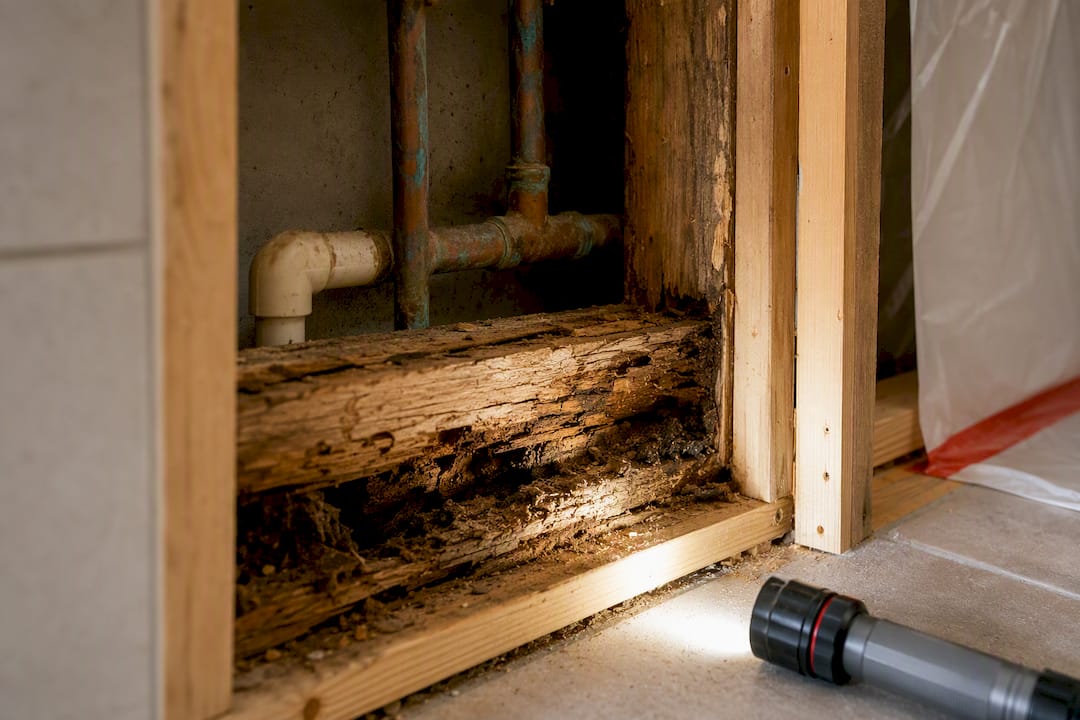
Compliance gaps round out the list. If your existing waterproofing or drainage doesn't meet current Victorian building code, upgrading it isn't optional. It's required before a certifier will sign off on the job. This is exactly why a 10 to 15% contingency isn't optional padding. It's the realistic cost of working with a home that predates current standards. Budget for it up front rather than discovering it mid-project when your options for absorbing the cost are far more limited.
How Long Does the Whole Process Take, Start to Finish?
Add planning and approvals to the construction timeline and most Melbourne bathroom renovations run 8 to 14 weeks from your first design conversation to final handover.
The planning phase alone often takes 3 to 4 weeks: an initial site visit, design consultation, material selections, and finalizing a written contract if your project exceeds the A$16,000 domestic building contract threshold. Add another 1 to 2 weeks if you're waiting on custom cabinetry, imported tile, or a specific fixture that's on backorder, which happens more often than most homeowners expect given ongoing supply chain variability in imported bathroomware.
Construction itself, as covered earlier, runs 3 to 8 weeks depending on scope. Apartment projects need extra runway for Owners Corporation approval, which can add 2 to 4 weeks before demolition can even start, since most buildings require notice periods and sign-off on noise hours and lift bookings.
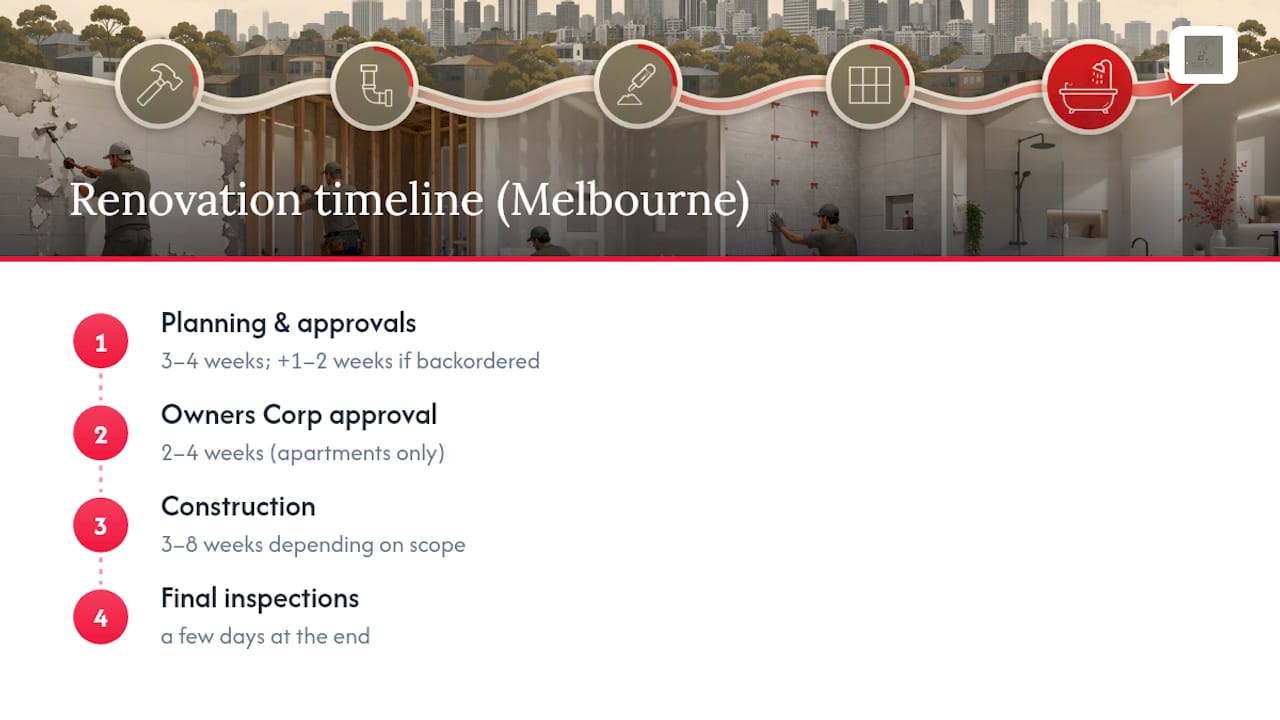
Final inspections, including waterproofing certification and plumbing compliance checks, typically add a few days at the end rather than weeks, assuming the work passed on the first attempt. The homeowners who hit the shorter end of these ranges are almost always the ones who finalized their material selections before demolition started, rather than making decisions on the fly once the room is stripped bare.
How Can You Cut Costs Without Cutting Corners?
Melbourne's labor market and older housing stock create specific cost pressures, and a few local strategies genuinely move the needle.
Keep your existing layout. Moving a toilet or shower means relocating drainage, which is one of the most expensive line items you can add to a job. A same-footprint renovation routinely saves thousands compared to a layout change.
Time your renovation outside peak season. Trades in Melbourne are busiest in the months leading into summer, and pricing can flex accordingly. Booking during quieter periods sometimes gets you better availability and more competitive quotes.
Buy your own fixtures where your builder allows it. Vanities, tapware, and mirrors bought directly from a supplier often cost less than the same items marked up through a renovation package, though check this arrangement with your builder first since some warranties depend on supplier-installed products.
If you're facing structural work like concrete cutting for a new drain run or a wider doorway, bring in a specialist rather than asking your main trade to subcontract it informally. Businesses like Vic Sawing handle this kind of structural work directly, which usually costs less than paying a general builder's markup on a sublet job.
Do You Need a Permit for a Bathroom Renovation in Melbourne?
Most standard bathroom renovations that keep the existing footprint don't require a council building permit, since replacing fixtures, tiling, and waterproofing within the existing layout generally falls under work a registered building practitioner can sign off without council involvement.
That changes once you alter the structure. Moving walls, changing the roofline, or altering drainage that affects stormwater connections typically triggers a building permit through a registered building surveyor, not directly through your local council. Your builder or surveyor lodges this on your behalf, and it usually adds one to two weeks to the planning phase.
Heritage overlays common in inner Melbourne suburbs like Fitzroy, Carlton, and parts of Brunswick can add another layer of assessment if your renovation is visible from the street or affects a heritage-listed facade, though an internal bathroom renovation rarely triggers this in practice. Apartment owners face a separate approval layer entirely through their Owners Corporation, covering noise hours, lift bookings, and sometimes a requirement for public liability insurance certificates from every trade entering the building.
Any plumbing work, regardless of scope, requires a licensed plumber to lodge a compliance certificate with the relevant water authority once the job is done. This isn't a permit you apply for in advance. It's a certification your plumber files after completion, and you should confirm in writing that your contract includes it.
How Do You Pay for a Bathroom Renovation in Melbourne?
Most Melbourne homeowners fund renovations through one of three paths: cash savings, a home equity loan or line of credit against their existing mortgage, or a dedicated renovation loan through their bank or a broker.
Home equity options tend to carry lower interest rates than personal loans since they're secured against the property, making them the more common choice for mid-range and premium projects above A$25,000. A personal or renovation-specific loan suits smaller budget-band projects where homeowners don't want to touch their mortgage structure.
Payment schedules on the builder's side typically follow a staged structure rather than one lump sum. Under Victoria's domestic building contract rules for jobs over A$16,000, payment claims need to correspond to actual work completed, not arbitrary calendar dates, which protects you from paying ahead of progress.
Never pay a large deposit upfront, and be cautious of any builder asking for more than 10% before work starts. This staged structure exists specifically so your money and the builder's progress stay roughly in sync.
What Actually Matters More Than the Total Price Tag
Every Melbourne homeowner fixates on the headline number, and that's understandable, but it's the wrong first question. The right first question is whether the quote separates waterproofing, plumbing, and compliance work into distinct line items with named products attached. An A$25,000 quote with vague allowances is a worse deal than an A$28,000 quote that tells you exactly what you're paying for.
The conventional advice to "get three quotes and pick the middle one" misses the point entirely. The middle price doesn't protect you from a poorly sequenced job or an uncertified waterproofing membrane. What protects you is a contractor who manages trade sequencing so waterproofing cures before tiling starts, and who pre-orders materials so nothing sits idle mid-project.
If there's one thing worth prioritizing above finish selections and fixture brands, it's this: confirm your builder holds proper registration for the trades involved, and get the waterproofing certification requirement in writing before you sign. Everything else, tile pattern, tapware finish, vanity style, is genuinely reversible later. A failed membrane behind finished tile is not.
— Sarah
Ready to Get a Real Quote for Your Melbourne Bathroom?
If you've read this far, you already know the difference between a vague estimate and a quote you can actually trust. Some renovation services offer a site visit, a written line-item quote covering demolition through fit-off, and a realistic timeline before you commit to anything.

Some family-run businesses manage projects from initial design through to construction and handover, providing one dedicated point of contact rather than requiring clients to chase down separate trades themselves. Some quotes include compliance details relevant in Victoria: registered trades for plumbing and electrical work, and waterproofing handled to appropriate certification standards. If you're ready to move past estimates and get a number specific to your bathroom, request a quote from Ariya Construction and get a site visit booked in.
Sources
Figures in this guide draw on TilesMate's Melbourne cost data, TradieVerify's Victorian estimator, and What's the Damage's national benchmarks.